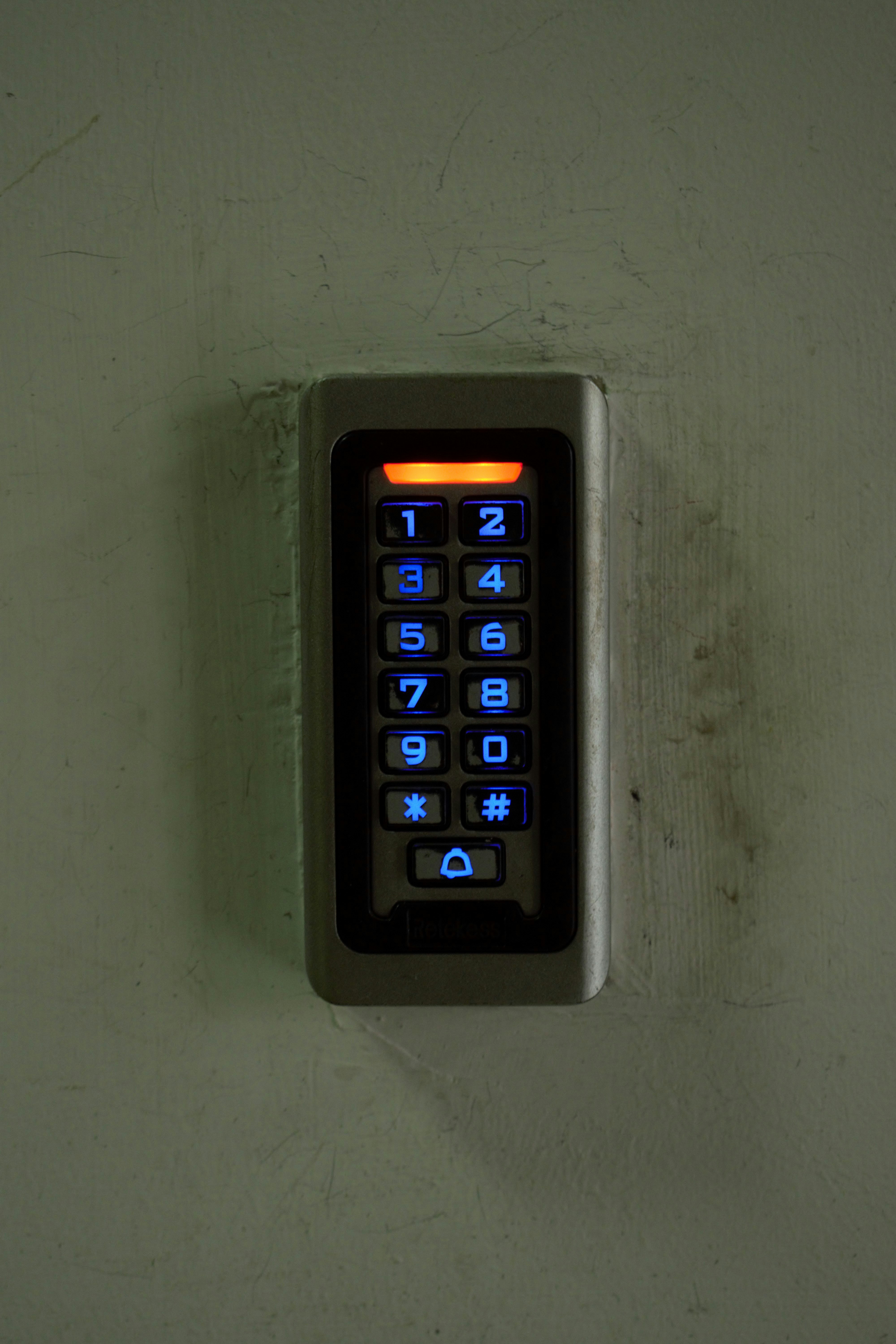
When selecting an access control system, corporate real estate directors and IT managers frequently become obsessed with software features. They evaluate mobile credentialing, cloud-managed dashboards, and active-directory integrations. While the software layer is critical to user experience, it has almost zero impact on the physical security and operational reliability of the system.
In the field, access control fails at the door. It fails because of improper door hardware selection, severe fire-code compliance violations, and poorly executed logic integration.
The Reality of Door Hardware Integration
A $2,000 intelligent IP door controller is entirely useless if the locking hardware fails to latch into the strike frame. We see this constantly on rapid commercial build-outs: standard "stick-on" magnetic locks are installed because they are cheap and easy to mount, bypassing the complexity of mortising an electrified door lock into an aluminum storefront frame.
This is a catastrophic design flaw. Magnetic locks (maglocks) require continuous power to stay secure. In a power outage, unless heavily backed by battery uninterruptible power supplies (UPS), the doors instantly unlock and remain open. More importantly, maglocks place significant friction on fire-code compliance.
Electric strikes, electrified mortise locks, and electrified panic crash bars represent the correct execution standard. These mechanisms allow the door to remain physically latched and secure from the exterior while maintaining completely free mechanical egress from the interior. No passive infrared request-to-exit (REX) sensors required. No risk of trapping employees in a burning building during a logic failure.
Navigating Compliance and Egress Codes
Access control is not an IT discipline; it is a life-safety discipline. Every electrified door must comply strictly with NFPA 101 Life Safety Code and local Authority Having Jurisdiction (AHJ) building codes.
The most common failure we encounter when taking over a poorly installed site is the lack of proper REX (Request to Exit) integration on electromagnetic locks. Life safety code mandates that if a maglock is installed, it must instantly disengage via a physical push-to-exit button, a passive motion sensor, AND tie directly into the building's central fire alarm panel. If the fire alarm triggers, power to the maglock must instantly drop to allow structural egress. If an installer misses that single integration relay, the building will fail its fire inspection—guaranteed.
Design Over Hardware
The success of an access deployment relies entirely on meticulous, door-by-door design planning before a single wire is pulled. You cannot standardize a single door setup across a commercial enterprise because every frame type is different. Wood doors require core-drilling for electrified hinges. Hollow metal frames require precision cutting for heavy-duty strikes. Glass commercial storefronts require specialized latch retraction crash bars.
A true access control deployment is an engineering exercise in physical friction, life safety, and barrier mechanics.
At NTW, we prioritize the physical layer. We engineer the exact hardware required for each unique door frame, we map the exact logic relays required for local fire code compliance, and we physically embed the locking mechanism so it feels as native to the door as the handle itself. Software platforms upgrade and change; but a perfectly engineered electrified mortise lock will secure an asset for decades.
Execute With Confidence
Partner with Northeast Technical Works for disciplined infrastructure deployment.